About
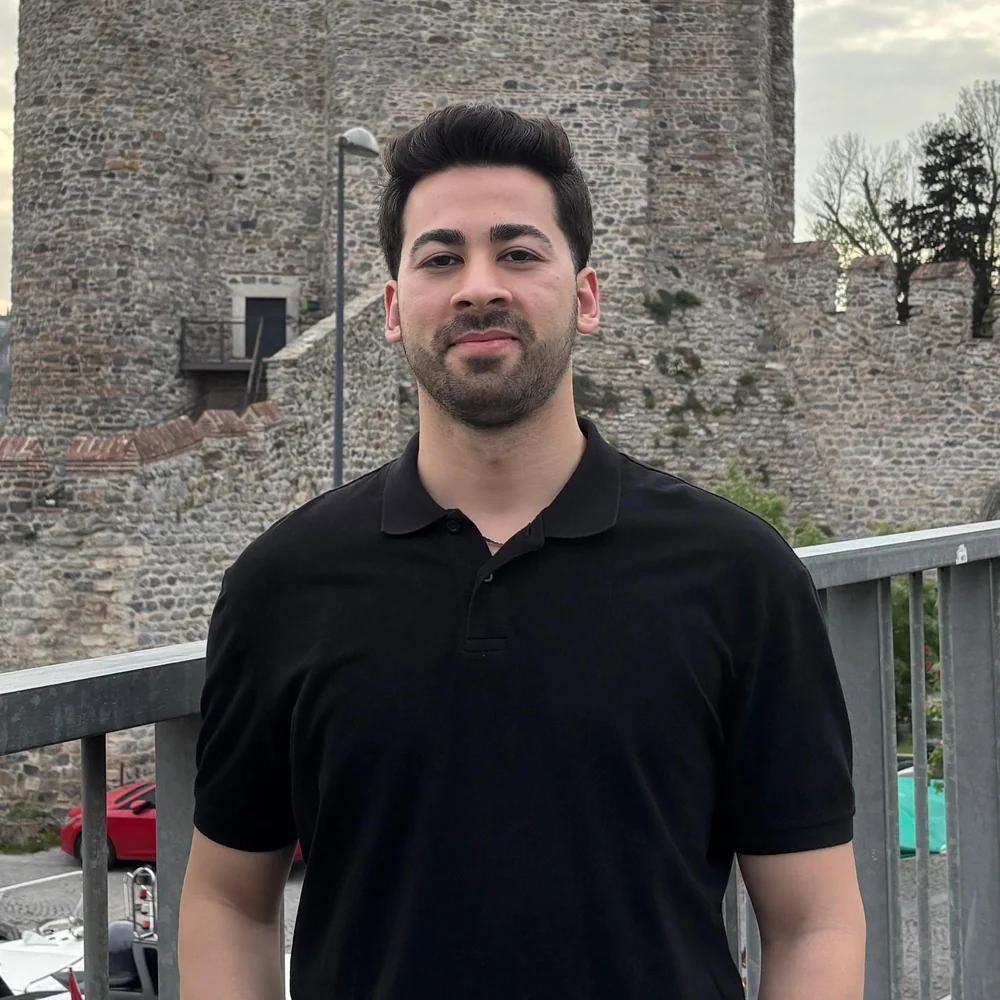
Hello, I’m Halit.
A fourth-year Computer Engineering student at Selçuk University, working on data science, AI and backend development.
I train the model, then build a dependable service behind it.
I like combining AI and data science with backend development, because a model only helps once someone can actually use it. I enjoy learning a new tool by building something real with it, and I work best in a team that shares progress early.
At the Faculty of Technology I trained three deep learning architectures under one protocol, combined them and tested them on outside cohorts; that work became NeuroVista. In my software internship I built Yatırım Aklı, and my graduation project, Moodica, is an online therapy and specialist-matching platform.
I work with Python (PyTorch, FastAPI), C# (ASP.NET Core, Entity Framework Core), PostgreSQL and Docker, and I build and test every push with GitHub Actions. I speak Turkish natively and English at B2.
Stack
Technologies I use.
01 languages
- C#
- Python
- Java
- SQL
- C
02 backend & tools
- ASP.NET Core MVC
- Entity Framework Core
- FastAPI
- REST API
- SignalR
- React
- Windows Forms
- PostgreSQL
- MS SQL Server
- Docker
- pytest
- Git & GitHub Actions
03 ai & data
- PyTorch
- MONAI
- scikit-learn
- Transformers
- Gensim
- OpenVINO
- Google Gemini
- Pandas
- NumPy
- Deep learning
- Image processing
- NLP
Common threads
What my projects have in common.
- 01
Evidence first
In NeuroVista I locked the test split and wrote the method before seeing results, then used the test set only once.
- 02
Security from the start
Moodica has two-step verification, role-based access and encrypted data; Yatırım Aklı has rate limits and a password policy.
- 03
Honest limits
I wrote down where NeuroVista drops on outside data, and removed a “multi-agent” claim from Yatırım Aklı that the code did not back.